How to follow a show
Watching live flamenco
Three arts on one stage: what the singer, dancer and guitarist each do, what the claps and cries mean, and how to behave in a silent theatre.
Reserve a seat in Triana ↗Quick answer
Watch the three arts as a conversation. UNESCO names them as voice (cante), movement (baile) and guitar (toque), joined by clapping and stamping. At Teatro Flamenco Triana the room is silent during the performance, photography is not allowed, and there are no subtitles, so follow the sound and the movement and keep your applause for the end of each piece.
Three arts on one stage
In UNESCO's description, flamenco combines voice (cante), movement (baile) and guitar (toque). A show passes the lead between them: the singer may open, the guitar may take a solo, the dancer may reply to both. Rather than following one performer for the whole hour, watch who is leading at each moment and how the others respond. A small stage with a close view suits that kind of watching.
The song
Cante, UNESCO says, belongs to men and women alike, ideally sung seated and without backing singers, with short, plain lyrics that run through grief, joy, tragedy and fear. At Teatro Flamenco Triana the songs are in Spanish, and the theatre says there are no subtitles. You do not need the words, because the voice carries the feeling.
The dance
Baile, UNESCO writes, is a dance of passion and courtship, able to voice anything from sadness to joy. The technique is demanding, and it notes a difference of manner: heavier footwork for male dancers, softer and more sensual movement for female ones. Watch the footwork against the guitar: the rhythm of the shoes is part of the music, not an accompaniment to it.
The guitar and the rhythm
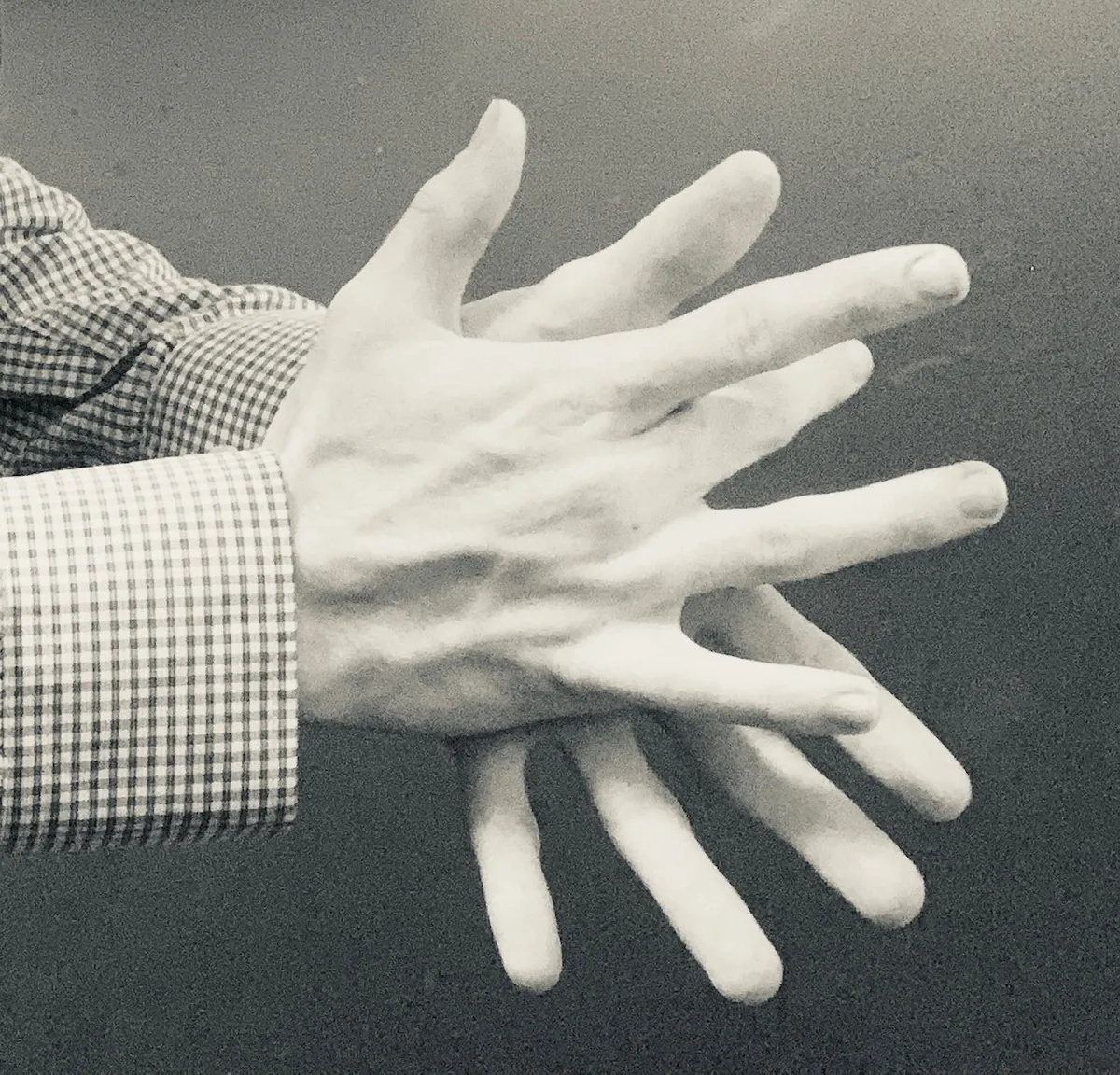
Toque, the art of guitar playing, has long moved beyond simply accompanying the singer, UNESCO says. Beside the guitar, the rhythm comes from hand-clapping, called palmas, and from foot-stamping. Many forms follow a repeating cycle called the compás; Wikipedia describes the soleá as twelve beats with the heavy ones falling at the close of each bar. You do not have to count it. In a silent room, just listen for the pulse.
The shouts of encouragement
Wikipedia notes that the cry olé is traditionally used to encourage cantaores and bailaores, and mentions the related call arza. In many flamenco settings the audience calls out these words as part of the performance, a practice known as jaleo. At Teatro Flamenco Triana silence is requested during the performance, so save your response for the applause at the end of a piece, and take your cue from the room.
What to do with your phone
The theatre does not allow photography or video during the show, and it asks for no noise. That is a rule for the whole hour, not only for flash photography. Put the phone away before the lights go down. You will see more of the hands, the feet and the faces if you are looking at them instead of a screen, and the people around you will hear the quietest passages.
Who this isn't for
This guide assumes you want to watch closely. If you would rather talk, eat and drink while the artists perform, a tablao or a dinner show is a better fit than a quiet theatre, and the booking cards on the home page include one. If you want to record a clip for friends, a theatre that bans photography will frustrate you. A one-hour seated show suits people who like to concentrate on one thing at a time.
Frequently asked questions
Do I need to know Spanish?
No. The songs are in Spanish and there are no subtitles, but the lyrics are short and plain, and the dance and guitar carry the feeling.
Can I clap or shout olé?
At Teatro Flamenco Triana silence is requested during the performance. Applaud at the end of each piece and follow the room.
What is compás?
The repeating rhythmic cycle of a flamenco form. The soleá, for instance, has a cycle of twelve beats, Wikipedia says.
Where should I look?
At whoever is leading. The singer, guitarist and dancer take turns, and the pleasure is in how they answer each other.
Sources