What to listen for
Flamenco forms from Triana
The soleá, the Triana style of tangos, the ornate siguiriya and the jaleos: how Wikipedia and UNESCO describe the forms linked to Triana and how to hear them.
Reserve a seat in Triana ↗Quick answer
Flamenco is organised into forms called palos, and several are tied to Triana: the soleá, the Triana style of tangos, an ornate Triana siguiriya and the jaleos that arose there. A show's artists choose the programme on the day, so you cannot book a form, but you can learn the sounds. Listen for the twelve-beat soleá and the lively four-beat tangos first.
Palos in a minute
A palo is one of flamenco's forms, every one with a rhythm and mood of its own. Wikipedia describes forms such as the soleá, the tangos and the siguiriya as basic or major styles, each with a characteristic cycle of beats called the compás. Tangos and the slower tientos, it adds, share the same basic compás. Forms are also tied to places, so you hear of Cádiz, Jerez or Triana versions of the same palo. Triana's contribution, in Wikipedia's accounts, runs through several of them.
Soleá
Wikipedia counts the soleá among flamenco's most basic forms, probably born in Romani communities of Cádiz or Seville, and describes one guitar, a twelve-beat cycle and mostly grave lyrics. Another account on Wikipedia holds that songs from Ronda reached Triana, with its tradition of corridos, and became the soleá there. The soleá is sometimes nicknamed the mother of the palos, Wikipedia adds, although the siguiriya is older.
Tangos de Triana
In Wikipedia's account, tangos are one of the basic styles, a brisk form in four-beat metre and a close relative of the slower tientos. It adds that the Instituto Andaluz del Flamenco lists styles from Cádiz, Triana, Jerez and Málaga, and associates the Triana style with Pastora Pavón, La Niña de los Peines and El Titi. Tangos linked to El Titi are often sung in minor tonalities. The name is shared with Argentine tango, but the flamenco form is distinct.
Siguiriya
Wikipedia calls the siguiriya a deep, expressive style in the cante jondo category and says it is among the most important in flamenco and purely Romani in origin. Its measure has twelve counts, with the accents falling differently from the soleá, and it is often played with rubato so that the singer can be expressive. Its lyrics deal with tragic themes such as imprisonment and the death of a loved one. The article notes local styles: in Cádiz the siguiriya of El Planeta is simple and lacks ornament, while in Triana that of Frasco el Colorao is very ornate. If it appears in a programme, it is among the most serious moments.
Jaleos
Wikipedia says the jaleos arose in Triana from the festive performance of corridos and soleares, and that in Jerez and Utrera they led to a further form that spread across lower Andalusia. The word jaleo also names the shouts of encouragement that flamenco audiences give. They are the festive side of the tradition that Wikipedia credits Triana with.
Palmas and footwork
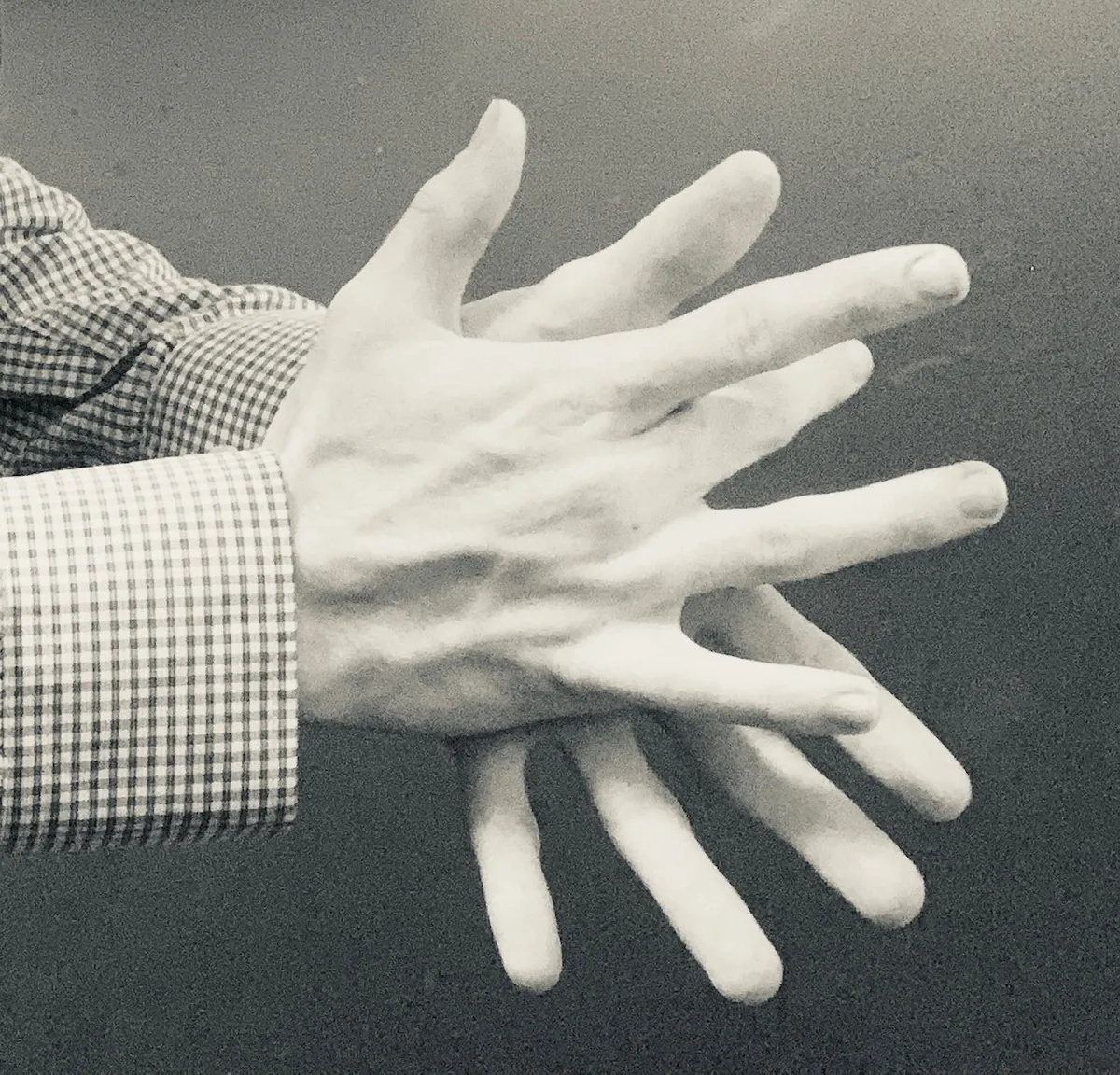
UNESCO lists hand-clapping and foot-stamping among the instruments that flamenco uses beside song, dance and guitar. Wikipedia's article on the siguiriya says the rhythm often includes counter-rhythms from the guitar, the palmas or the dancers' footwork, creating interlocking patterns. In a small theatre you hear these layers clearly.
How to use this at the show
The theatre says its artists interpret freely and that no two shows are the same, so treat this as a field guide, not a programme. Notice the pace: a slow, weighty piece, then something lighter. Notice who leads. The cast and the order change, so nobody can promise a particular form on a particular night.
Read next: Watching live flamenco
Frequently asked questions
Can I book a night with a particular form?
No. The theatre says its artists interpret freely and the cast changes, so no form can be promised for a date.
Is Triana the home of the soleá?
One account on Wikipedia says songs from Ronda reached Triana and became the soleá there. Another account places its origin among the Calé Romani of Cádiz or Seville.
Is flamenco tangos the same as Argentine tango?
No. Flamenco tangos are a separate Andalusian form, Wikipedia says, and the Instituto Andaluz del Flamenco rejects any direct link.
Sources